The Examination for Professional Practice in Psychology® (EPPP)
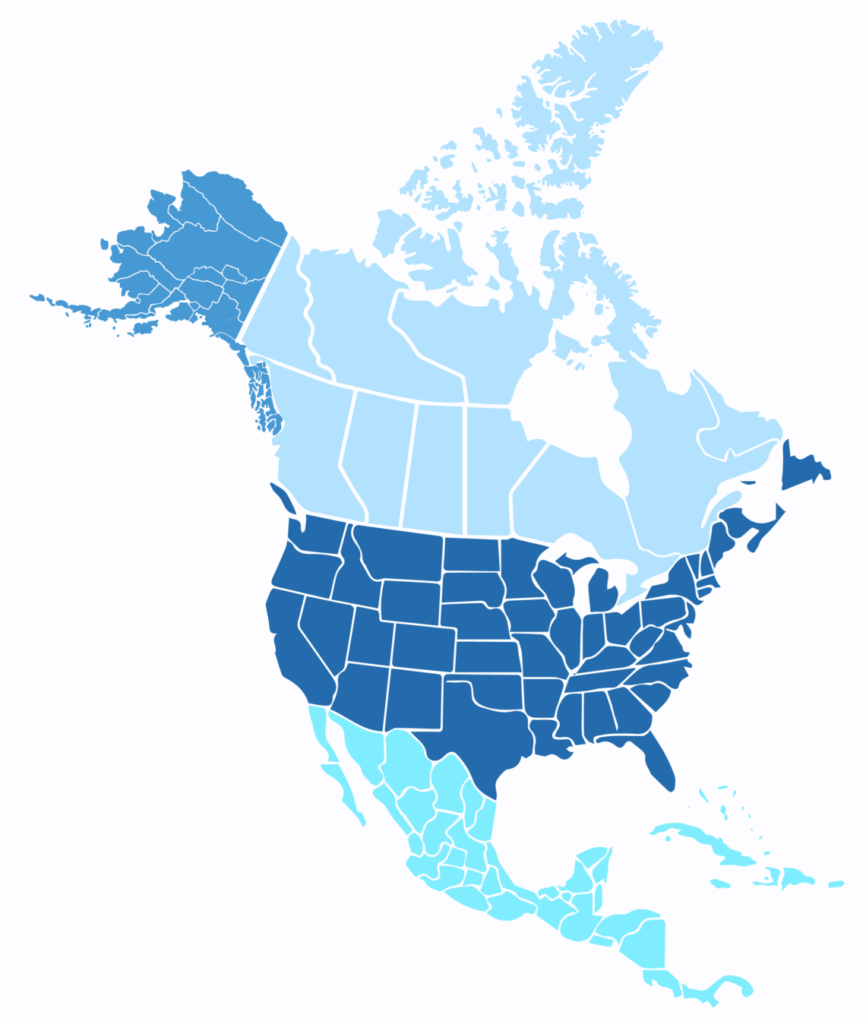
The EPPP (Part 1-Knowledge) is a national licensing exam used in the United States and Canada to assess a licensure candidate’s foundational knowledge required for independent, entry-level professional practice. The Association of State and Provincial Psychology Boards® (ASPPB) launched it in 1965, and it remains the most widely used and trusted tool for assessing readiness to practice psychology.
In 2020, ASPPB introduced the EPPP (Part 2-Skills). This exam assesses a licensure candidate’s skills required for independent practice. Some jurisdictions require this second part in addition to the EPPP (Part 1-Knowledge) for licensure.

Both parts of the EPPP serve as uniform measures that support public protection, professional accountability, and the regulatory standards upheld by all 66 ASPPB Member Jurisdictions.
The EPPP’s Importance
To become a licensed psychologist, you must pass one or both parts of this exam to demonstrate your ability to assess, treat, and support people with mental health needs. As psychometrically validated measures of professional knowledge and skills, the EPPP supports regulatory boards in fulfilling their statutory responsibility to protect public welfare.
The exams help establish a consistent, evidence-based threshold of competence across jurisdictions, enhancing interjurisdictional mobility and promoting uniformity in minimum licensure requirements. When paired with supervised experience and jurisdiction-specific assessments, the EPPP remains a cornerstone of regulatory oversight in professional psychology.
Besides the fundamental role of licensure in public protection, the EPPP supports mobility, or the ability of licensed psychologists to practice in different jurisdictions, by offering a common standard recognized across them. Furthermore, the EPPP strengthens psychology as a profession by reinforcing trust, accountability, and consistent expectations.
The Development of an integrated EPPP
As psychology continues to evolve, so does the EPPP. Ongoing research, psychometric updates, and input from psychology boards and educators ensure that the exam remains relevant, fair, and reflective of current professional practice. These factors have supported the development of the new EPPP, which is intended to help ensure that every psychologist entering the field is prepared to serve the public with competence, integrity, and care.
A Job Task Analysis was completed in 2025 to develop the blueprint for the new integrated EPPP. Based on input from almost 3,000 licensed psychologists in Canada and the United States, the resulting blueprint serves as the basis for an integrated competency examination, the next step in the ongoing development of the EPPP.
The integrated EPPP will become operational in the fourth quarter of 2027, at which time the EPPP (Part 1-Knowledge) and EPPP (Part 2-Skills) will no longer be available to first-time test takers. Candidates who fail the EPPP (Part 1–Knowledge) or EPPP (Part 2–Skills) prior to that date will be allowed to retake the respective exam through March 31, 2028. EPPP candidates who have not taken the EPPP (Part 1–Knowledge) or EPPP (Part 2–Skills) prior to that date will be required to take the integrated EPPP. As of April 01, 2028, the EPPP (Part 1-Knowledge) and the EPPP (Part 2-Skills) will no longer be accessible. The only exam available will be the integrated EPPP.
NOTE: It is important to know the timeline for the current and the integrated EPPP, as the current exams and the integrated EPPP have different blueprints and test specifications. Please consider when you will become eligible/ready to take the licensure exam and ensure you prepare using the blueprint of the exam you will be required to take for licensure at that time.
To stay informed, please visit our webpage below, Development of the integrated EPPP to learn more details about the developing exam.